
Climate Control Built for Marine Environments
Marine HVAC installation, maintenance, and repair for water-cooled heat pump systems and marine climate control in Minneapolis, St. Paul, and surrounding areas
When a heat pump fails on a vessel docked in St. Paul during a cold night, the cabin temperature drops quickly and comfort disappears. Minn Mechanical Contractors LLC installs and services water-cooled heat pump systems, marine heating and air conditioning equipment, closed-loop and raw-water systems, pumps, strainers, and corrosion-resistant components designed for marine environments in St. Paul and the surrounding area.
This service includes new system installations, repairs that address component failures caused by moisture and vibration, and maintenance that reduces the likelihood of breakdowns during extended trips. Energy efficiency evaluations are available to identify where heating and cooling losses occur, and installation practices account for the corrosive conditions common in marine applications. Whether you need a complete system replacement or a repair to restore function, the work is completed with attention to water quality, electrical safety, and equipment placement.
If your marine HVAC system is not maintaining temperature or you are planning an upgrade, contact us to schedule service or discuss installation options in St. Paul.
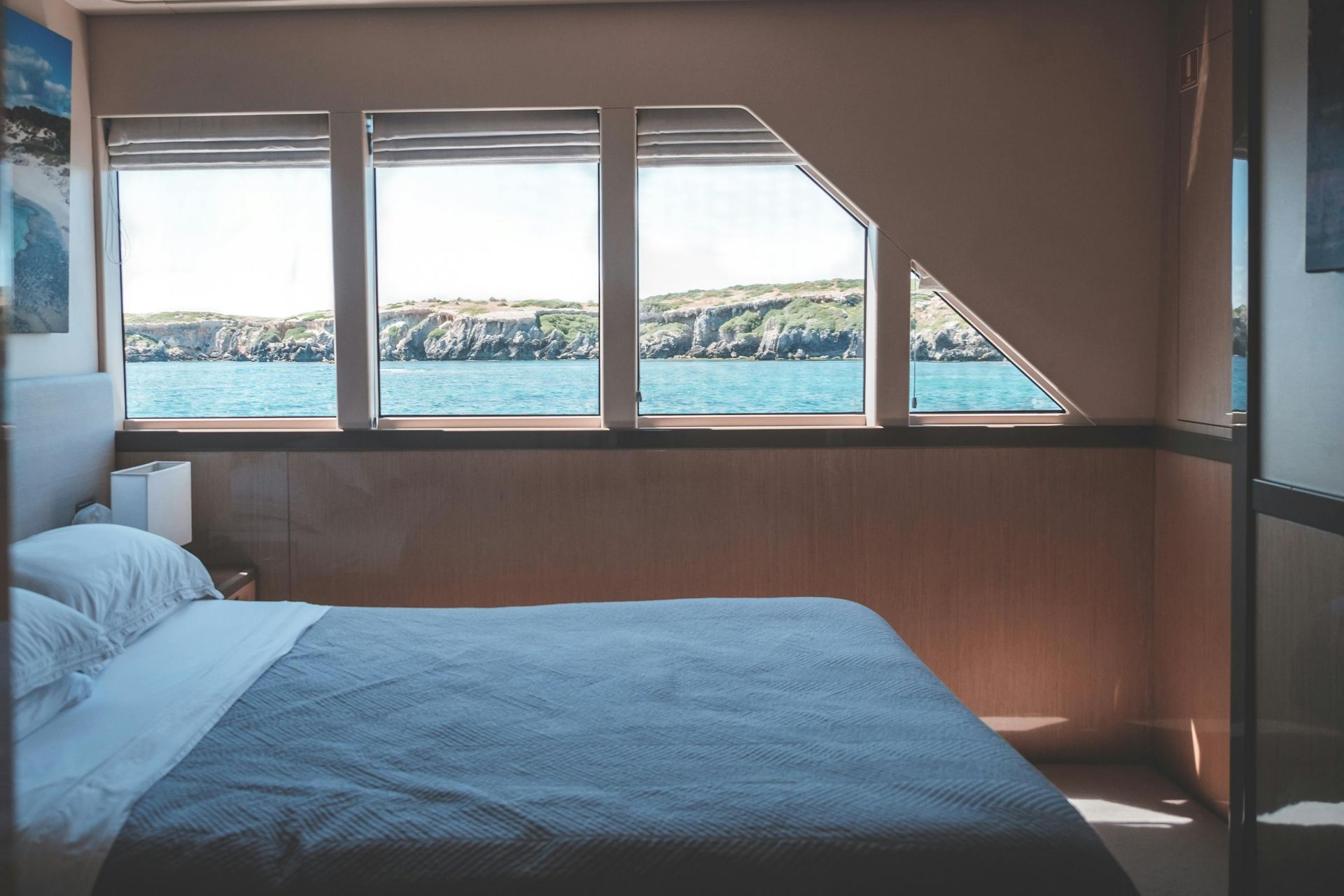
How Marine Systems Are Installed and Maintained
The process begins with an assessment of your current system, water supply, and electrical configuration to determine what is failing or what type of replacement will fit your vessel in St. Paul. For installations, this includes selecting corrosion-resistant materials, sizing heat exchangers for the water source, and routing refrigerant lines to minimize exposure to moisture. For repairs, technicians inspect pumps, strainers, heat exchangers, and compressors to identify leaks, blockages, or electrical issues before replacing worn components.
After the work is finished, you will notice consistent airflow from cabin vents, stable temperatures regardless of outside conditions, and a system that operates quietly without unusual vibrations or smells. Cabins that were previously too humid or too dry often become more comfortable once water flow is corrected and refrigerant levels are restored.
Maintenance visits include strainer cleaning, pump inspection, water chemistry testing, and electrical connection checks to prevent corrosion-related failures. This service does not include hull modifications or major structural changes, but it does address the pumps, piping, and HVAC components that directly affect comfort. Raw-water systems require more frequent strainer cleaning to prevent blockages from debris, while closed-loop systems need periodic glycol testing and air purging to maintain efficiency.
It Makes Sense to Ask Before Moving Forward
Vessel owners often have questions about system compatibility, maintenance frequency, and what to prepare for before scheduling marine HVAC service, so here are answers to the concerns that come up most often.
If your marine HVAC system is struggling to maintain comfortable temperatures or you are ready to replace aging equipment, Minn Mechanical Contractors LLC can assess your current setup and recommend solutions that withstand the conditions of marine use. Get in touch to schedule a service visit or discuss installation options for your vessel in St. Paul.