
Heating Solutions Built for Cold Workshops
Gas, oil, and electric unit heater installation serving Minneapolis, St. Paul, and surrounding areas
When your garage or workshop in New Prague stays unusable through winter because cold air settles in and refuses to leave, a properly installed unit heater changes how you work and what you can accomplish during the coldest months. Minn Mechanical Contractors LLC installs gas, oil, and electric unit heaters designed for cold-climate performance, along with radiant tube and infrared heating systems that warm surfaces and equipment rather than just moving air around. Whether you work on projects year-round or store temperature-sensitive tools and materials, the right heating system keeps your space functional when outdoor temperatures drop below zero.
Unit heater installation involves matching the heating source to your building's fuel availability, ensuring proper venting and combustion air supply, and positioning the unit where it distributes heat effectively without creating cold spots near entry doors or along exterior walls. Radiant tube systems work well in larger garages and workshops because they heat objects and floors directly, reducing the energy wasted on warming air that escapes when overhead doors open. All installations follow safety compliance standards and include efficiency upgrades when older equipment no longer provides adequate output or burns fuel inefficiently.
If you need reliable garage heating in New Prague that performs through Minnesota winters, reach out to discuss which system fits your workspace and fuel options.
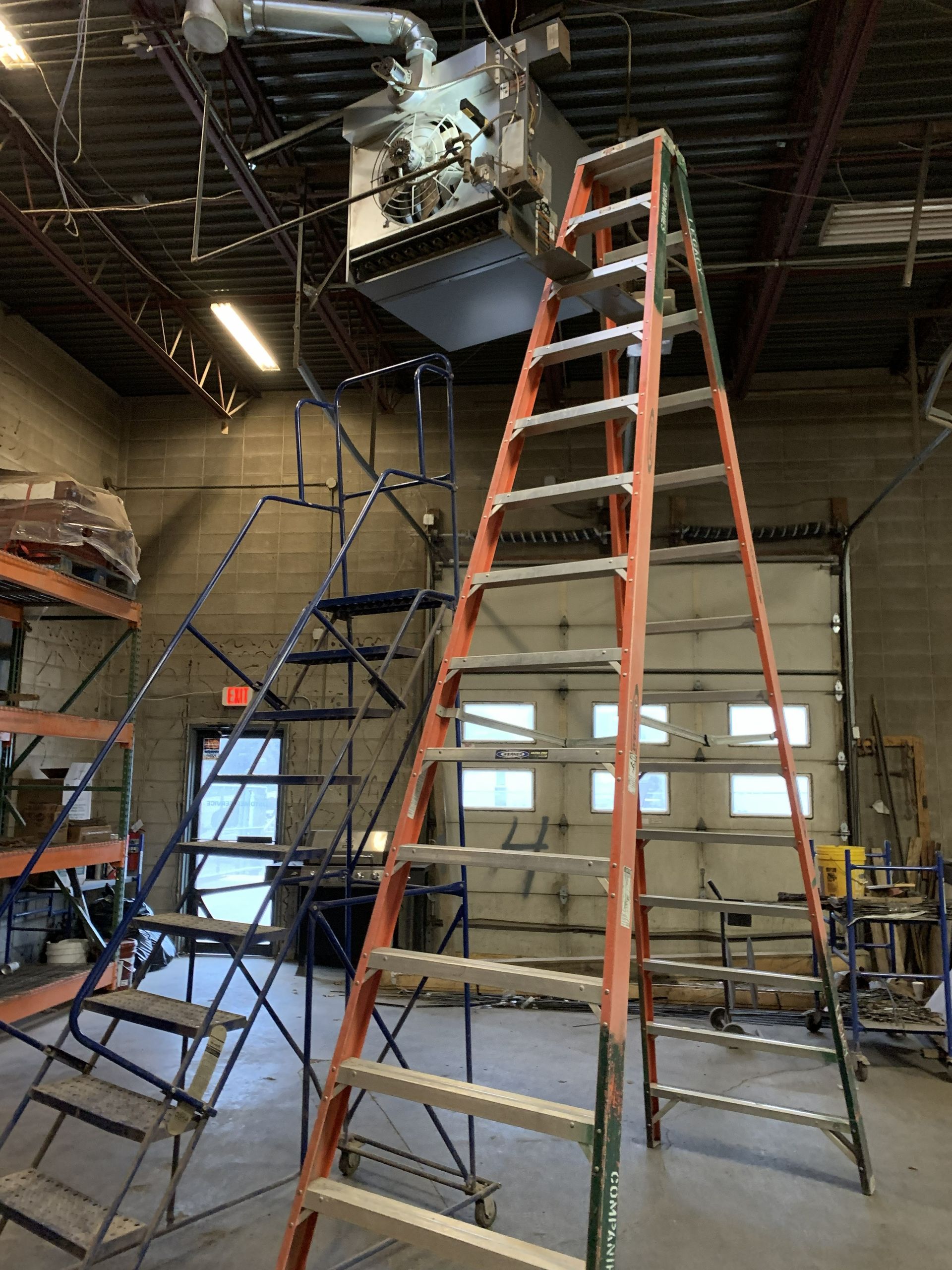
Matching Heat Output to How You Use Your Space
Installing a unit heater in New Prague starts with evaluating your garage or workshop size, insulation quality, ceiling height, and whether you need consistent warmth or intermittent heat during work sessions. Gas and oil units require dedicated venting to exhaust combustion byproducts safely, while electric heaters need appropriately sized circuits and breaker capacity. Radiant tube systems mount overhead and emit infrared energy that warms floors, benches, and vehicles without relying on air circulation, which works well in spaces with high ceilings or frequent door use.
After installation, you will notice floors stay warmer underfoot, metal tools no longer feel painfully cold to handle, and the space reaches a comfortable working temperature faster than it did with portable heaters or forced-air systems that struggled to keep up. Equipment stored in the garage experiences fewer moisture-related issues because consistent heat reduces condensation on cold surfaces.
Replacement and efficiency upgrades address units that cycle too frequently, fail to ignite reliably, or consume more fuel than newer models designed for better heat retention and lower operating costs. Safety compliance includes verifying combustion air intake, checking gas line pressure, and confirming venting materials meet current code requirements. Installation does not include structural modifications to increase insulation or repair existing ventilation inadequacies unrelated to heater function.
Questions That Come Up Before Choosing a Heater
Homeowners and shop owners often ask about fuel options, venting requirements, and how different heating methods compare when planning a garage heating project in New Prague.
Minn Mechanical Contractors LLC installs and services garage and unit heaters throughout New Prague, working with gas, oil, electric, and radiant tube systems that handle Minnesota's cold-season demands. If you are ready to make your garage or workshop usable year-round, get in touch to review your heating options and schedule an installation that fits your space and fuel availability.